It doesn’t take long to put your pet in a harmful situation when left in a vehicle on a warm or hot day. Below are common concerns and tips to advocate for pet safety.
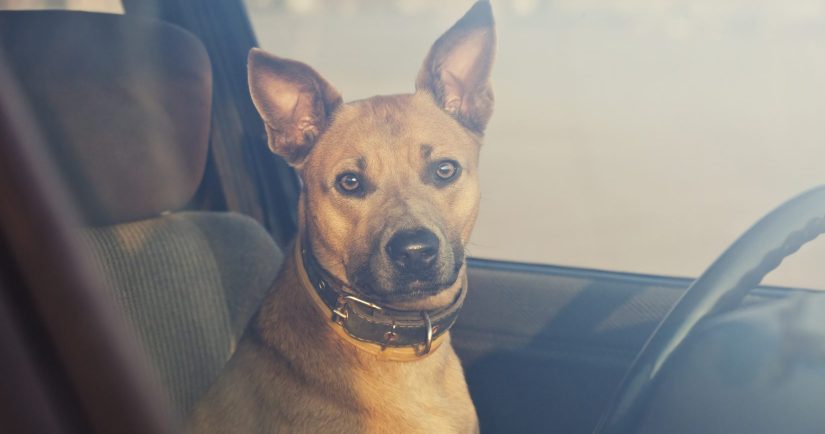
How long is too long to leave a dog in a hot or warm car?
Owners and caretakers may believe they’re doing their furry friend a favour when bringing them along on errands, but if they can’t bring their pet into a store they may think a few minutes in the vehicle won’t be a big deal.
For a dog, though, harmful, and even life-threatening effects can occur in a short time in a hot car. Dogs can’t release heat by sweating, as humans do, so their internal body temperature rises more quickly.
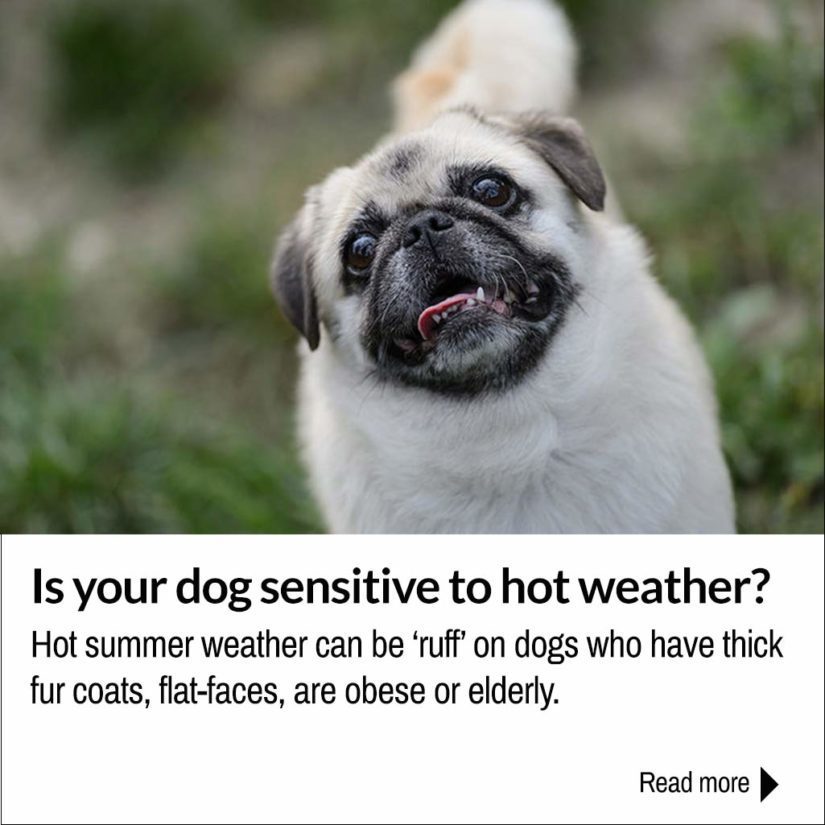
Some dogs, including senior pets and those with flatter faces, experience even more challenges in hot weather. At the end of the day, it’s best to simply leave your dog at home where there’s more space, water and shade.
What you should do
If you see an animal in distress in a parked vehicle, here’s the steps to take:
- Note the license plate, vehicle colour, make and model and ask managers of nearby businesses to page the owner to return to their vehicle immediately. If the animal is not showing signs of distress, but you are concerned, you may wish to stay by the vehicle to monitor the situation until the owner returns.
- If the animal is showing clear signs of heatstroke or other distress symptoms, call your local animal control agency, police, RCMP or the BC SPCA Animal Helpline at 1-855-622-7722 as soon as possible. The BC SPCA has a limited number of constables – if one is not available in the area the Animal Helpline can advise you about other emergency numbers to call so that help will arrive as quickly as possible.
What not to do
Do NOT break the window
While most people mean well when they say they’d be willing to break a glass window to get an animal out of a roasting vehicle, it’s strongly recommended you don’t.
- Only RCMP, local police, and BC SPCA Special Constables have the authority to enter a vehicle lawfully to help a pet in distress.
- Not only are you putting yourself at risk when you break a glass window, but you also risk harming the dog.
Leave the A/C on
You may have seen the sign on a vehicle saying, “the A/C is on.” Some may think this is an option, but it is not a good one. Your pet can still end up at risk if the air conditioning stops working, it’s not a guaranteed solution. It’s best to simply leave your dog at home where there’s more space, water and shade.
Dealing with pet heatstroke
Signs of heatstroke in dogs includes:
- Exaggerated panting (or the sudden stopping of panting);
- Rapid or erratic pulse;
- Salivation (drooling), anxious or staring expression;
- Weakness and muscle tremors or lack of coordination;
- Convulsions or vomiting, and collapse.
Cats may display similar signs, but they may be more subtle.
What to do if your pet is showing signs of heatstroke:
- Move your pet to a cool, shady place;
- Wet the animal with cool water;
- Do not apply ice as this will constrict blood flow and discourage cooling;
- Fan your pet to promote evaporation. This cools the blood, helping to reduce the animal’s core temperature;
- Allow your pet to drink some cool water (or to lick ice cream if no water is available);
- Take your pet to a veterinarian as soon as possible for further treatment.
How you can help
Carry a kit
- Keep a kit in your car in case you spot an animal in distress.
- This includes bottled water, a small bowl, a small battery-powered fan, and a towel that can be soaked in water.
- If a window is partially open, hydrate the animal as you wait for an emergency response.
Spread the word
Help spread the word about the danger of leaving pets in hot cars by putting up posters and/or putting a campaign decal on your car.
-
- Download our No Hot Pets poster (PDF) and post around shopping centres to remind pet owners to leave pets at home.
- Do you have a pet-friendly business where pets can come inside, out of the heat? Download our No Hot Pets poster for Pet-Friendly Businesses (PDF).
Learn more